 Itemsbase
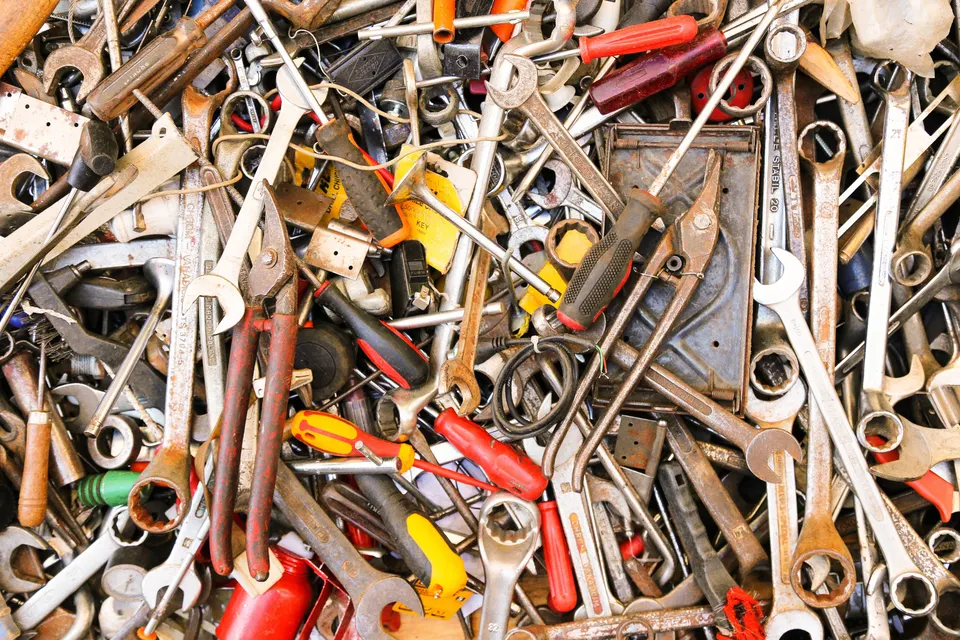
Sometimes you buy a second one because you forgot about the first. Sometimes you know perfectly well that you own one. You just cannot face looking for it.
You put a new roll of tape in the drawer and find three others underneath it. They were there when you left for the shop. You just did not think to check, or could not remember which drawer to open.
Clearing out the extras might help for a while. To stop the same purchase happening again, you need an answer you can find before you reach the till.
Find the category that keeps catching you out
There is little point making a complete list of your furniture if the things you keep buying twice are cables and small tools. Pick one category you have recently bought by mistake.
Gather what you can find from its usual hiding places. Check the desk drawer, the bag you travelled with, and wherever the most recent project ended. You may find that the duplicates came from several separate stashes rather than one overcrowded shelf.
Keep the useful items together where practical. If something needs to live elsewhere, make a note of where it is. A torch that lives in the car can stay there. You only need to remember that the car has one.
Keep the note somewhere you can open while shopping. Include the detail that affects the purchase: the connector, size, or compatible device. Knowing you own “a cable” will not help much if you need a particular one.
A home inventory is a record of the things you own. Itemsbase is an app for keeping that record on your phone, so you have somewhere to check when your memory is uncertain.
Before buying another cable or tool, you can search the belongings you have added and see where you put them. It still depends on recording the item in the first place and updating it when it moves.
Some duplicates are worth the shelf space
Scissors in the kitchen and scissors beside the sewing machine may be doing two separate jobs. So may cleaning supplies on different floors or a set of basics at another home.
There is no useful universal number of spares. Think about the space you have, how quickly you use something, and how awkward it would be to replace. A spare bulb for the only light in the bathroom is a different decision from a fourth vase you never reach for.
For each extra, ask where you use it and what would happen without it. Keep the duplicates that solve a recurring inconvenience. Put the accidental ones together so you can use them before buying more, or pass them on if they are suitable and no longer needed.
Leave yourself a better answer for next time
Before adding the same thing to a basket, look at the note. If it says you have one and you still cannot find it, write that down beside the entry. The note tells you where the thing was last time someone checked, which is worth knowing even when it turns out to be wrong.
When you eventually find it, record the actual location. “Toolbox in the hall cupboard” is useful. “Somewhere at home” is the problem you started with.
If you do need another, buy it without treating the purchase as a failure. Give it a home when you unpack it, and add it to the same note. Put the tape with the other rolls, where you will look for it.