 Itemsbase
You need a carpet cleaner for one afternoon. Someone in the family might have one, but finding out means sending a few messages and waiting. By the time the replies arrive, you may already have hired or bought one.
A family chat can answer the question, provided the right person sees the message in time. A few months later, someone else asks again. The answer is somewhere in the chat history, between a birthday photo and a conversation about dinner.
A list everyone can check saves having to start that search from scratch. It gives you a name to contact, though you still need to ask whether the thing is available.
List what people are happy to lend
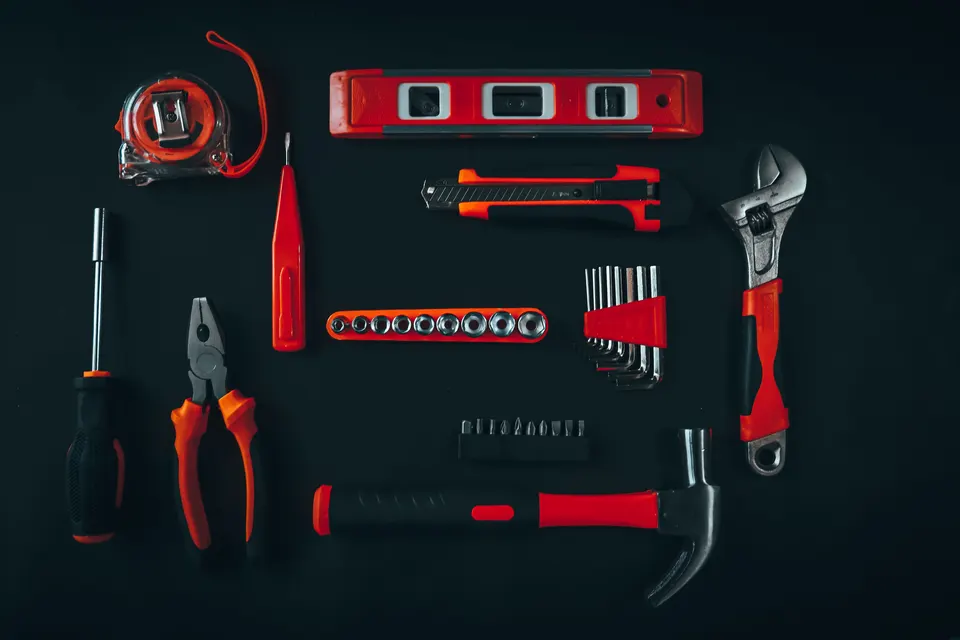
Ask each person to add a few things they would genuinely be comfortable sharing. A drill, folding table, sewing machine, roof box, or spare travel cot might make the list. Owning something does not oblige anyone to lend it.
Include a name, a photo when useful, and the person to contact. Add any detail that would stop a wasted conversation, such as the size of a roof box or whether a drill comes with the bits needed for the job.
You do not need to share an entire home inventory to do this. A list of lendable items is enough. Leave private belongings and detailed home storage locations out unless there is a reason to include them.
Keep the catalogue within the intended group. Before passing it to anyone else, check with the people whose belongings appear in it.
Keep a note when something leaves
An ownership list tells you whose drill it is. It does not tell you whether it is currently in their garage or at a cousin's flat.
For the loan itself, record the item, borrower, date taken, and an agreed return date. Write down the accessories too. A drill without its battery is not quite back.
Keep the record close to the handover. A notebook beside the tool cupboard, a card left in the empty space, or a note on your phone can all do the job. If writing it down means finding a laptop and opening a spreadsheet, it is tempting to leave it until later. Later is when you start wondering who took the extension lead.
A shared note is useful if everyone needs to see availability. A notebook may be enough if one person owns and lends all the equipment. Agree who records the return, so a loan does not remain open long after the item comes back.
Keep the conversation ordinary
Agree beforehand what happens if something comes back damaged, if the owner needs it sooner, or if the borrower wants to pass it to someone else. It may feel a little formal the first time. It is less awkward than discovering, months later, that the roof box went to a cousin's friend.
When something comes back, check the accessories together and mark it returned. If a part needs replacing, record that before the next person asks to borrow it. It is much easier to sort out a missing attachment while both people remember the job.