 Itemsbase
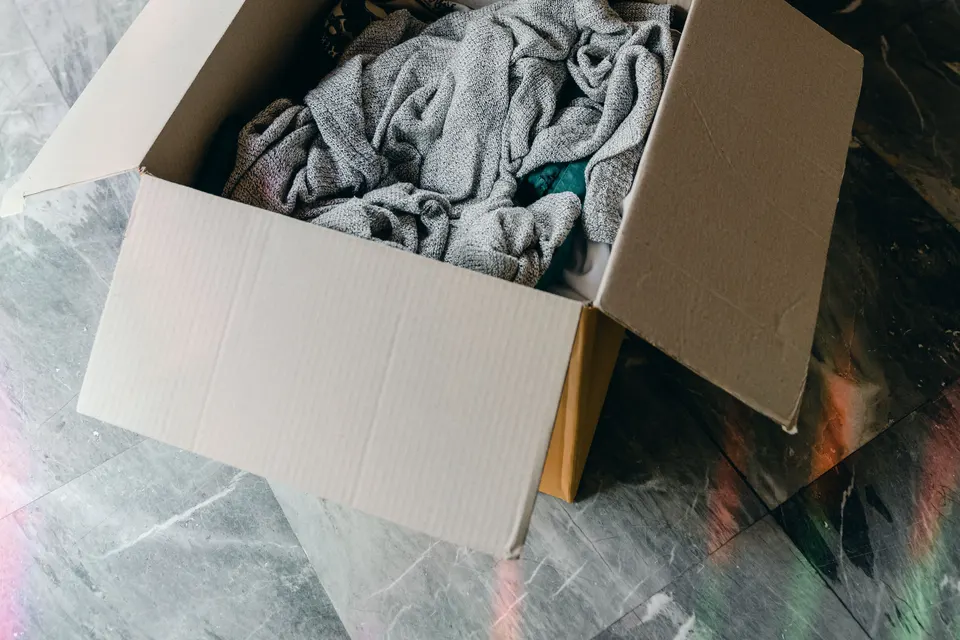
The floor is clear, the cupboard doors shut, and the spare room looks like a spare room again. Then you need the camera charger.
You remember putting it somewhere sensible. Unfortunately, there are six sensible places, and they all look like the same plastic box.
It is easy to stop organizing at the moment everything fits. The lids click shut, the boxes stack neatly, and the job feels done. A few weeks later, you may remember very little about what went into them. Leave yourself enough detail to find things without having to remember the afternoon you packed them.
Before buying another set of containers, give the boxes you already have a few useful clues.
Give the box a name you can recognize
A label saying “miscellaneous” leaves you with almost as much searching as no label at all. Try something you would say aloud: “spare charging cables,” “winter gloves,” or “picture hanging kit.”
For mixed boxes, a number works well. Put “Box 4” on a visible side, then keep a short contents list elsewhere. That list might be a sheet of paper inside a cupboard door or a note on your phone. Write down “camera charger,” rather than expecting your future self to remember that it was included under “electronics.” If the boxes are stacked, label the side you can see without lifting anything.
If you often search for an object under two different names, use both. “Travel adapter” and “plug adapter” can sit on the same line. Nobody has to pass a vocabulary test to find a plug.
Take the photo before closing the lid
Lay the contents out if you can. Photograph them alongside the box label, then put them away. A photo of a closed lid tells you very little, and a deep pile can hide the thing you will eventually need.
Keep these photos together in an album. Add a short note for anything that is difficult to identify. Similar black cables are a good example. The right picture and a few words can save opening several boxes, but a photo cannot show something buried underneath everything else.
Itemsbase is a home inventory app for remembering what you own and where you keep it. It gives your belongings a record you can look up on your phone.
For stored boxes, you can add a photo of an item and record the room or container where it lives. When you need it, search for its name to find that record instead of scrolling through an album.
Check whether the system works
Choose an item you have just stored. Close the cupboard and look it up as if you had forgotten where it was. Can you tell which room and which box to go to?
If you share the space, ask someone else to try. “The blue box” may be obvious to you and useless to someone looking at three blue boxes.
Keep it current while the lid is open
When something moves to another box, change its entry while the lid is still open. If you take something out permanently, remove it from the list. This matters more than how neatly you wrote the original labels.
Keep the marker or the note close enough that updating it feels like part of putting things away. Once the charger has a place you can look up, close the cupboard and leave the rest for another day.